At six o'clock, a room may look like a construction site: cable runs, unfinished scenery, lighting instruments waiting for focus. By eight, it appears as though the environment has always existed. The floor is luminous, the stage perfectly proportioned, and every visible object seems to be exactly where it belongs.
That transformation is not a decorating trick. It is custom event production—the meeting of design, engineering, logistics and live performance.
Clients often encounter the finished world but rarely see the decisions that make it possible. Hollywood POP Gallery's design-and-production heritage is a reminder that the work behind the scenes is not separate from artistry. It is one of its forms.
Every remarkable room begins with a drawing
Before fabrication, there are questions of scale and movement. A scenic wall that looks convincing in a rendering must work in a real room. An entrance arch has to accommodate guests comfortably. A stage must be visible from the intended seats and safe for the talent who will use it.
Floor plans, elevations and technical reviews translate a creative concept into something buildable. They determine how scenic structures interact with the venue, where equipment can be positioned and how teams will install the environment within the access window available.
A beautiful idea becomes an excellent production only when its practical requirements have been solved.
Scenic design changes the room's identity
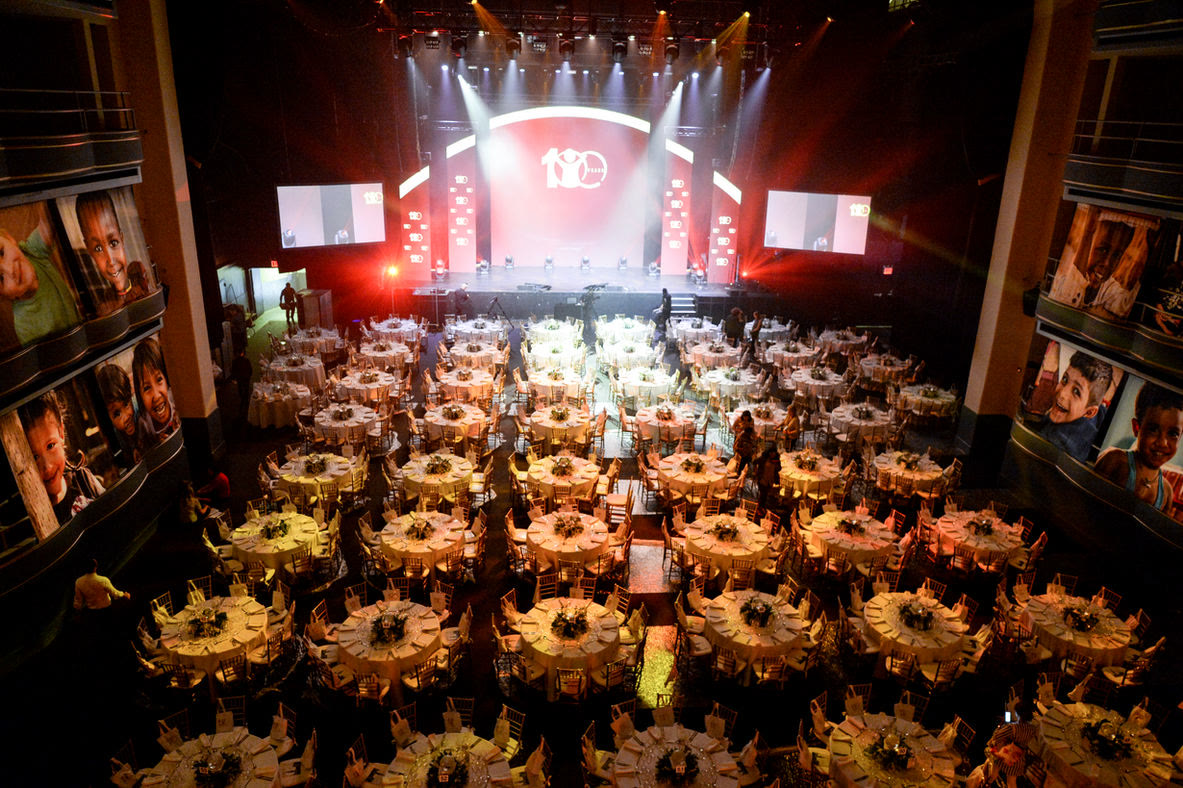
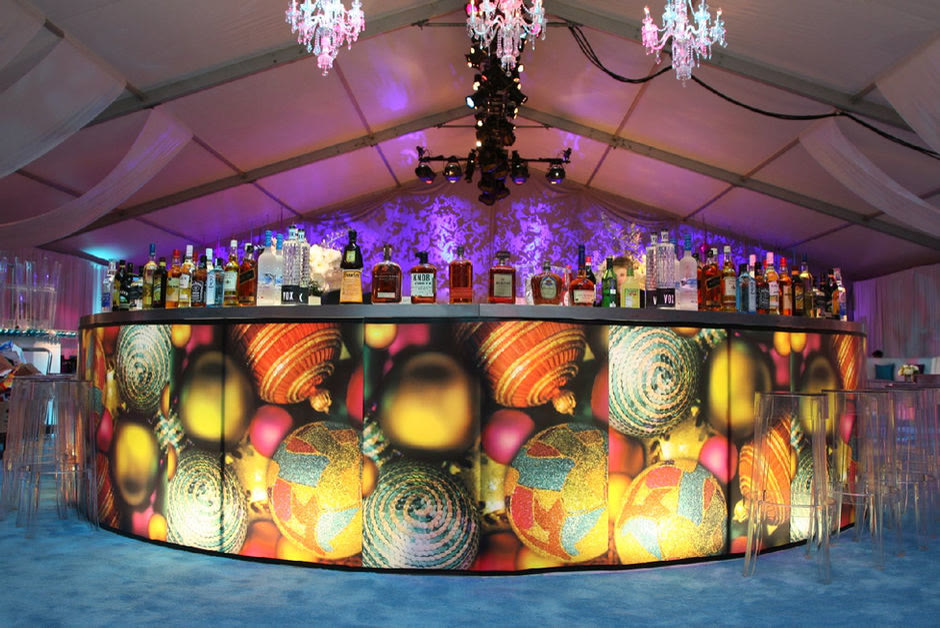
A strong scenic concept does not merely occupy space; it changes its character. A plain wall can become an architectural focal point. A blank ceiling can acquire depth through draping, suspension and carefully controlled light. A conventional stage can become a dramatic frame for performance or storytelling.
Custom fabrication may be useful when existing rentals cannot express the desired concept. The choice of material affects weight, appearance, installation, sustainability and cost. It also affects how the structure responds to lighting and photography.
Restraint is part of the craft. A single beautifully proportioned scenic element can do more than a dozen unrelated gestures.
Lighting is the quiet director
Lighting does much more than help guests see. It creates a visual hierarchy and changes how the eye reads a room. A soft wash can make dinner feel intimate; an architectural treatment can reveal the shape of a space; a performance cue can shift the evening's emotional tone in seconds.
Lighting design should be developed alongside the room design, not added after the furniture arrives. The apparent color of a flower, the sheen of a textile and the visibility of a speaker all depend on the light around them.
In a production-led event, technical cues can turn a single space into several experiences without asking guests to move.
Sound is part of hospitality
Guests should hear a toast without straining and enjoy music without losing the ability to connect. The sound system must respond to the venue, seating arrangement, performers and event format.
A lively dance floor may require a different acoustic strategy from a seated dinner. A brand presentation may need precise microphone coverage, video playback and a carefully managed transition into live entertainment.
Technical excellence is often most noticeable when it is absent. When everything works, people rarely discuss the sound. They discuss what was said, sung or felt.
What happens at showtime
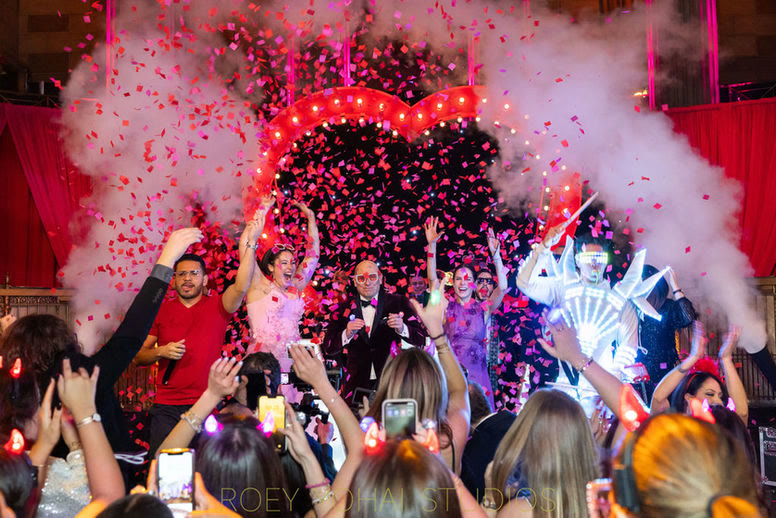
A live event is governed by dozens of small, coordinated decisions. The stage manager or show caller knows when a speaker should enter, when a screen should change and when lighting must move from one state to the next.
Vendors operate on shared schedules; catering teams understand performance cues; entertainers know where and when to arrive. Contingency plans are developed for the unglamorous possibilities: delayed access, equipment issues, weather changes or a program running longer than expected.
This is the invisible architecture of an effortless night. The audience should feel the intended emotion, not the machinery that delivered it.
Planning and production should speak the same language
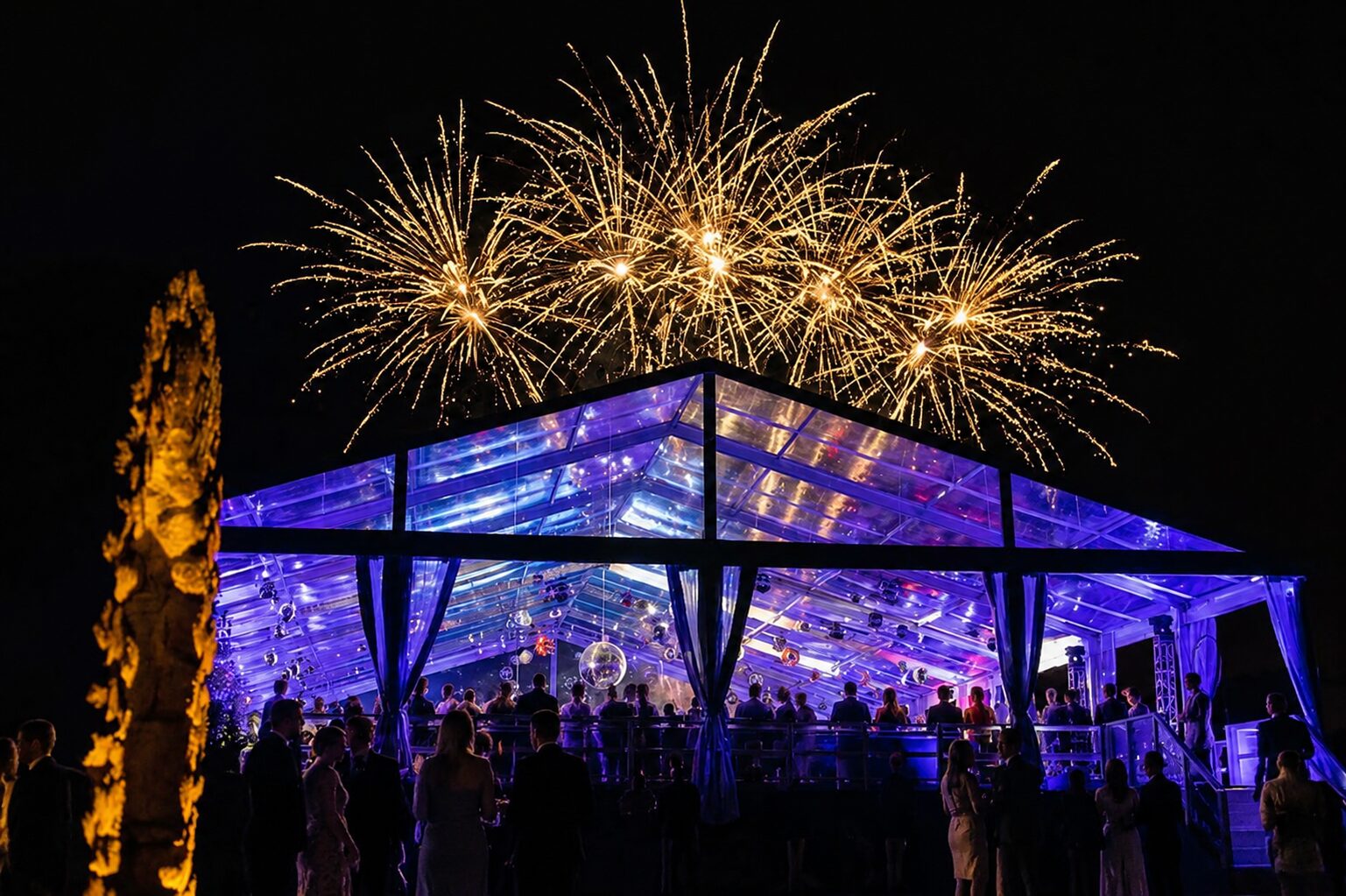
Brett Galley Events & Destinations coordinates the whole event, while Hollywood POP Gallery's theatrical legacy informs how design and production can be shaped from the earliest concept. The company's event services include staging, scenic design and custom fabrication, lighting, sound and technical production, tent coordination and on-site execution.
When the planners know the show's ambitions and the producers understand the guest experience, the result can be both extraordinary and controlled.
Frequently asked questions
- What is scenic design for events?
- It is the creation of physical environments, backdrops, structures and visual elements that shape how guests experience a space and the programming within it.
- When should technical production join event planning?
- Ideally during early concept and venue discussions. Power, staging, acoustic needs, structural considerations and installation access can all affect feasibility and budget.
- Is event production only for large galas?
- No. Smaller dinners, weddings and private celebrations may also benefit from deliberate lighting, sound, staging and scenic design.
The most beautiful work is not always visible
A breathtaking room is remembered for its beauty. An expertly produced room is remembered for how the entire evening felt. Explore our production capabilities and see the work behind the experience.