Imagine entering a room and understanding a brand before seeing its name. The materials speak its language. The light suggests its mood. A sound catches your attention; a small discovery invites you forward. By the time the logo appears, the experience has already made its argument.
This is the ambition of an immersive brand activation: to turn brand identity into an environment people can inhabit, not just admire from a distance.
The approach calls for more than event styling. It requires a sophisticated reading of the brand, original creative direction and the technical capability to build what has been imagined. Brett Galley Events & Destinations develops corporate experiences with strategy and guest experience in mind; Hollywood POP Gallery brings the theatrical design and production sensibility that can give an idea physical form.
Start with a point of view, not an Instagram moment
The question is not “What installation will photograph best?” It is “What should someone understand about this brand after spending twenty minutes in its world?”
A launch may be about innovation. A heritage anniversary may be about craft and longevity. An invitation-only dinner may aim to deepen relationships with a small number of highly valued clients.
These distinctions matter because they change the design. A brand associated with meticulous craftsmanship may benefit from close-up demonstrations and tactile materials. One defined by motion may call for a sequence of kinetic reveals, dynamic sound or shifting light.
The creative concept should follow the business objective. Shareable moments can emerge from it, rather than substitute for it.
Make the architecture do some of the talking
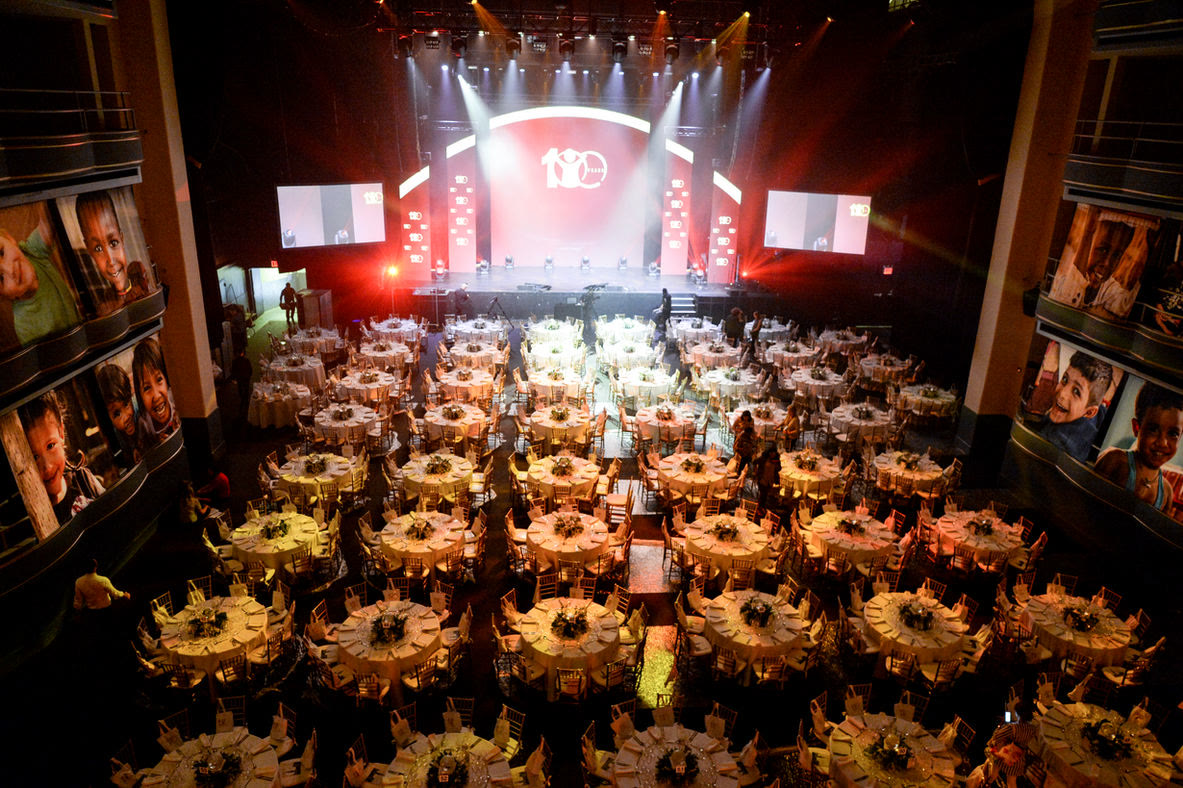
Immersion is often architectural. A visitor moves through an entrance, encounters a new scale, pauses at a focal point and discovers the next scene.
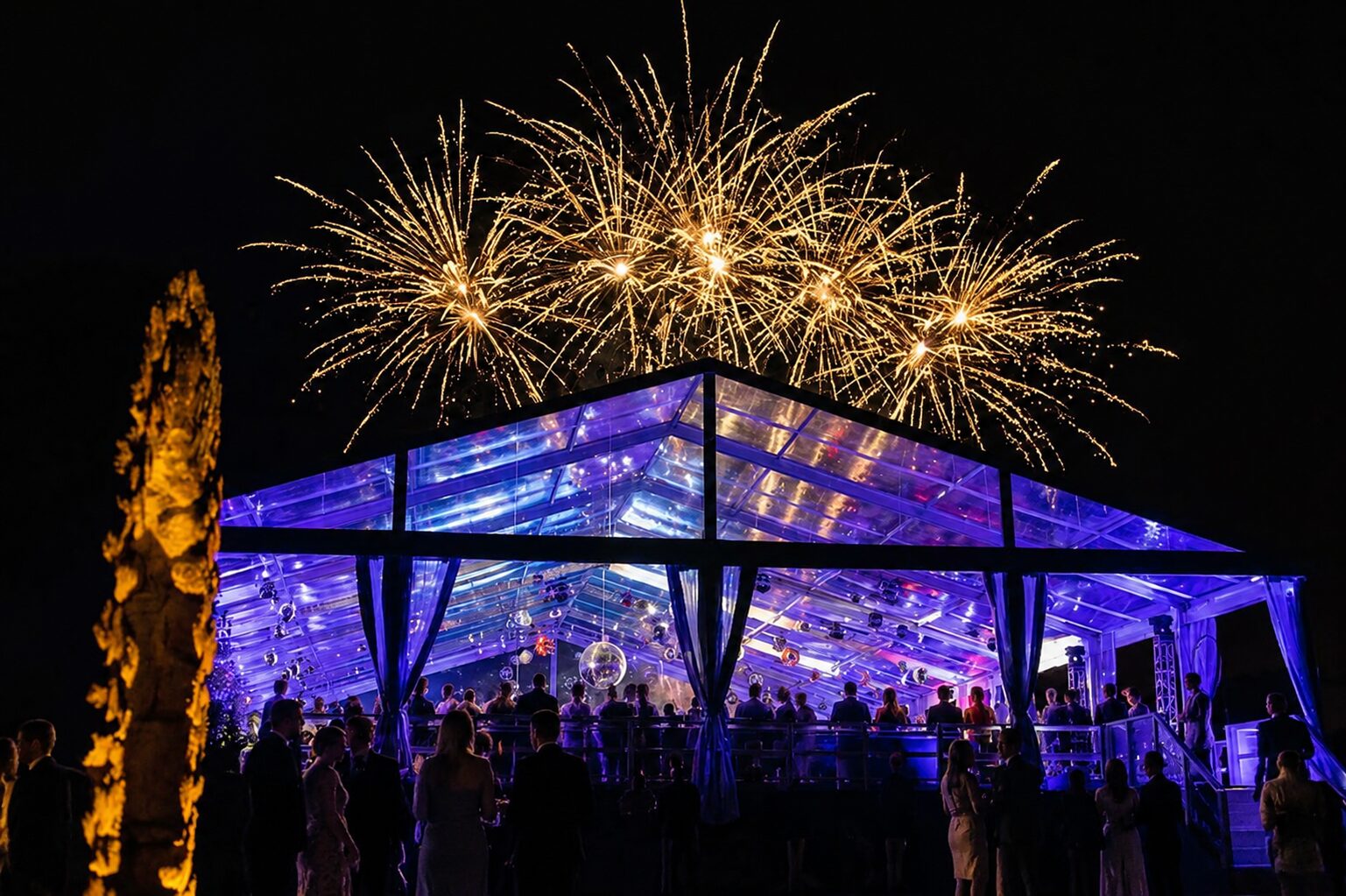
Scenic fabrication can create structures that did not previously exist. Lighting can shape the room's apparent proportions. Sound can guide attention. Furniture, textiles, projections and physical installations can bring an identity to life without overwhelming the product or the people experiencing it.
A strong experience is not necessarily loud. An almost gallery-like environment, with intentional spacing and exquisite detail, can be more arresting than a room crowded with activations.
Hollywood POP Gallery's beginnings in a Pop Art space make this relationship between environment, artwork and audience especially natural. The company has long understood that guests can be part of the composition.
Choreograph discovery, not just traffic
Guests need freedom to explore, but the experience should still have rhythm. How will they enter? Where will they stop? What will prompt conversation? How long will they stay before encountering the next moment?
Technical teams must examine sightlines, accessibility, capacity, queueing, sound bleed, power and emergency access. The brand team must consider content sequencing, signage and what the experience asks visitors to do.
The most elegant guest journey makes these systems nearly invisible. Discovery feels effortless because the planning is exact.
Give the brand a live moment
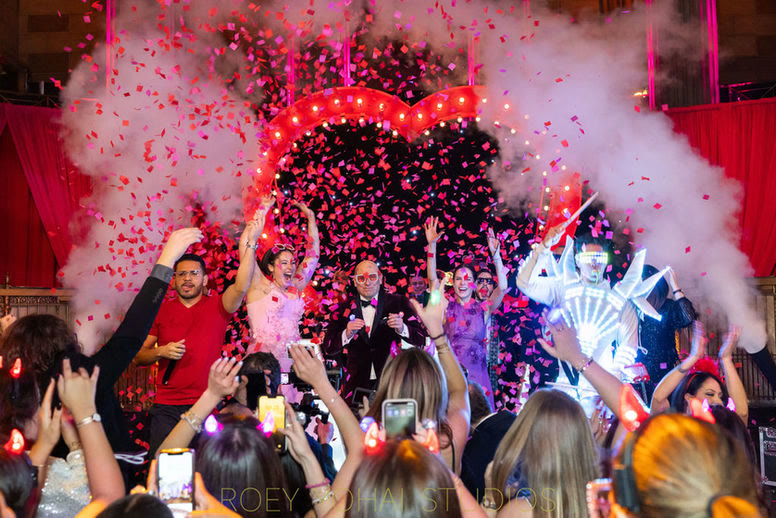
A presentation, reveal or performance can make an immersive environment feel alive. The timing might be subtle: a gradual shift in light as an object is unveiled. It could be dramatic: an original piece of performance, a staged announcement or a complete transformation of the space.
Any such moment needs creative direction and show calling. The visual content, lighting, sound, talent and guest positioning must all work together. That's why design and production should never be disconnected disciplines.
Entertainment need not be an added attraction. It can be a method of expressing the brand's personality.
Measure what happened beyond the photographs
An activation may deliver strong imagery while missing its purpose. Define the outcome before the first design presentation.
Depending on the project, success might involve meaningful conversations, attendance from a target audience, product trial, earned content, client retention, fundraising participation or follow-up engagement. Guest feedback and operational learnings can inform the next experience.
A beautiful event and a strategically effective one are not opposing ambitions. The strongest experiential production achieves both.
Frequently asked questions
- What is an immersive brand activation?
- It is a branded experience that uses physical space, interaction, design and often live production to bring a company's identity or message to life for guests.
- What does an experiential event production team do?
- It connects strategy, design, scenic elements, lighting, sound, staging, vendor management, guest movement, technical cues and on-site execution.
- Does every activation require a major installation?
- No. The most effective concept depends on the brand, audience, space and objective. Intimacy and restraint can be as compelling as large-scale spectacle.
Let them experience the idea
Some brands are remembered for what they say. Others are remembered for the way they made a room feel. Explore our corporate event and production capabilities and start a conversation about building an experience that communicates without explaining.